info@leonnesafaris.com | +256 773 525 201

The National Parks of Rwanda

Home > Uncategorized > The National Parks of Rwanda
You might like

The national parks of Rwanda are protected ecosystems and wildlife reserves located within the borders of Rwanda in East Central Africa. By 2021, these protected natural zones included the Volcanoes National Park Akagera National Park, Nyungwe Forest and Gishwati Mukura National Park. Maintenance of the national park system, as well as tourism infrastructure and promotion of the parks, is managed by the Rwanda Development Board (RDB) with assistance from government ministries

Volcanoes National Park

“In the heart of Central Africa, so high up that you shiver more than you sweat,” wrote the eminent primatologist Dian Fossey, “are great, old volcanoes towering almost 15,000 feet, and nearly covered with rich, green rainforest – the Virungas.”

Situated in the far northwest of Rwanda, Volcanoes National Park protects the steep slopes of this magnificent mountain range – home of the endangered mountain gorilla and a rich mosaic of montane ecosystems, which embrace evergreen and bamboo forest, open grassland, swamp and heath.

Volcanoes National Park is named after the chain of dormant volcanoes making up the Virunga Massif: Karisimbi – the highest at 4,507m, Bisoke with its verdant crater lake, Sabinyo, Gahinga and Muhabura.

According to Visit Rwanda, tracking endangered mountain gorillas through the mysterious intimacy of the rain forest, alive with the calls of 200 species of colorful birds and chattering of the rare golden monkey, is only one of the truly unique experiences in the area.

Akagera National Park

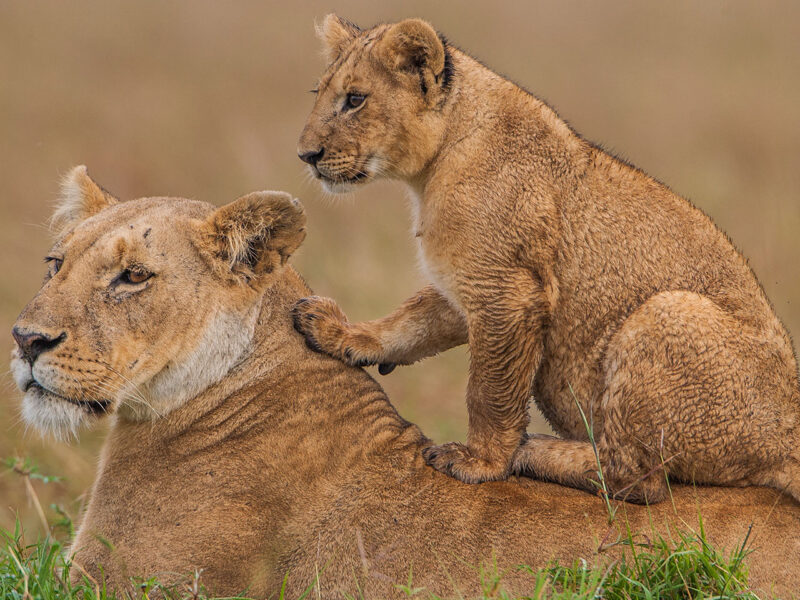
The relatively warm and low-lying plains of Akagera comprise savannah, woodland, wetland and a dozen lakes. In 2010 Rwanda Development Board in partnership with African Parks, reintroduced lions and rhinos, meaning once again visitors can hope to see the Big Five on safari drives.

Akagera National Park is Central Africa’s largest protected wetland and the last remaining refuge for savannah-adapted species in Rwanda.

Visitors can also encounter buffalo, elephant, antelope, zebra, giraffe, baboons, monkeys, an incredible 490 bird species, plus much more.

A boat trip on Lake Ihema is also a highlight of any visit to Akagera, with its large pods of hippos, Nile crocodiles and abundant waterbirds on the island in the middle of the lake.


Nyungwe National Park

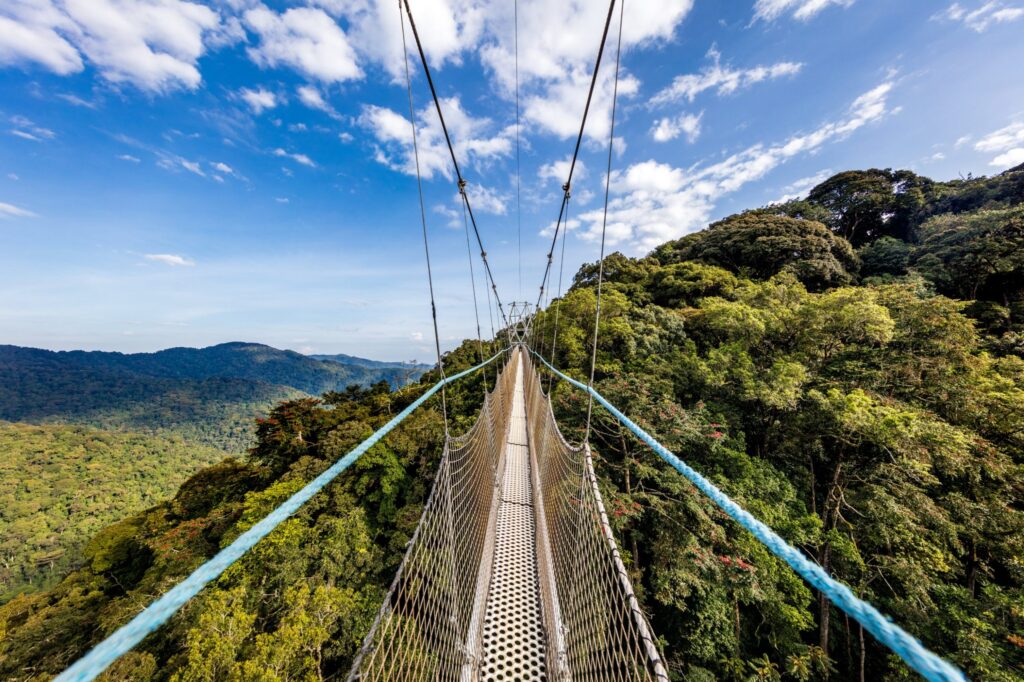
Nyungwe is one of the oldest rainforests in Africa, and the largest expanse of forest in Rwanda, covering 1,019 km2 of dense Afromontane forests, bamboo-covered slopes, grasslands and wetlands. The park feeds two of the world’s largest rivers, the Congo and the Nile, and provides a significant portion of Rwanda’s fresh water. Over 1,100 recorded plant species, 345 bird species and 85 known mammal species, including 13 of Africa’s primates – notably, chimpanzee, Ruwenzori black-and-white colobus and L’Hoest’s monkeys – are found in this exceptional landscape.


Gishwati Mukura National Park

Rwanda’s fourth national park, Gishwati Mukura is made up of two separate forests – the larger Gishwati and small Mukura, forming a total of 34 square kilometres plus a buffer zone.

The forests sit on the ridge which divides the Congo and Nile water catchment areas, along the incredibly biodiverse Albertine Rift in the west of the country. It is made up of 60 species of tree, including indigenous hardwoods and bamboo.

Gishwati is home to a group of 20 chimpanzees which live alongside golden monkeys, L’Hoest’s and Blue Monkeys. Birds are well represented too, 232 species have been seen at Gishwati and 163 at Mukura, among them Albertine Rift Endemic species and forest specialists.