info@leonnesafaris.com | +256 773 525 201

The National Parks of Uganda

Home > Uncategorized > The National Parks of Uganda
You might like

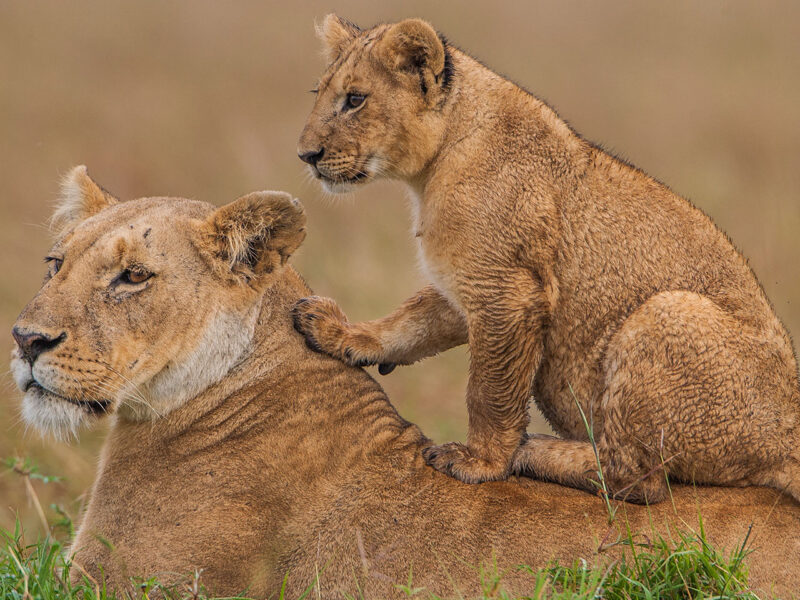
Uganda is a country with incredible biodiversity due to its location at the confluence of the East African savannahs and the West African rain forests. It boasts a wide variety of breathtakingly gorgeous landscapes, amazing wildlife, and a huge variety of plant and animal life. Uganda is one of the top African destinations for the BIG FIVE—Lion, Leopard, Rhino, Elephant, and Buffalo. This list is matched up with two great Apes: Chimpanzees and Mountain Gorillas.

Uganda is a habitat for more than 1,585 species of terrestrial vertebrates, 11% of the world’s bird species, and a variety of other remarkable creatures only found in Uganda. The 10 National Parks are among the biggest habitats for these species of fauna.

Bwindi Impenetrable National Park

It lies in southwestern Uganda. The park is part of the Bwindi Impenetrable Forest, and is borders the Democratic Republic of Congo next to the Virunga National Park and the Albertine Rift. The Bwindi Impenetrable National Park is a UNESCO-designated World Heritage Site.

The forest also protects an estimated 320 mountain gorillas (with four habituated mountain gorilla groups open to tourism; roughly half of the world’s population, these can be tracked. The forest is one of the richest ecosystems in Africa. It is shelter to about 120 mammals, including several primate species such as baboons and chimpanzees, as well as elephants and antelopes, 348 species of birds including (hornbills, turacos and 23 Albertine Rift endemics), 220 species of butterflies, 27 species of frogs, chameleons, geckos and many endangered species.

Available are opportunities to learn and discover the local Bakiga and Batwa Pygmy cultures through performances, workshops and village walks.

Mgahinga Gorilla National Park

The park is located to the far south-western region of Uganda. It is contiguous with the Volcanoes National Park in Rwanda and the Virunga National Park in the Democratic Republic of the Congo. The entire park is located in Bufumbira County, Kisoro District.

Mgahinga Gorilla National Park is the smallest park in Uganda (about 33.7 km). It is very important, as it is one of the only two parks that offer habitat for the endangered Mountain gorilla. There is one habituated gorilla group, which sometimes crosses into Rwanda.

The national park covers three of the eight Virunga volcanoes: Mount Muhabura, Mount Gahinga and Mount Sabyinyo. These can be climbed in one day from the park headquarters.

Kibale National Park

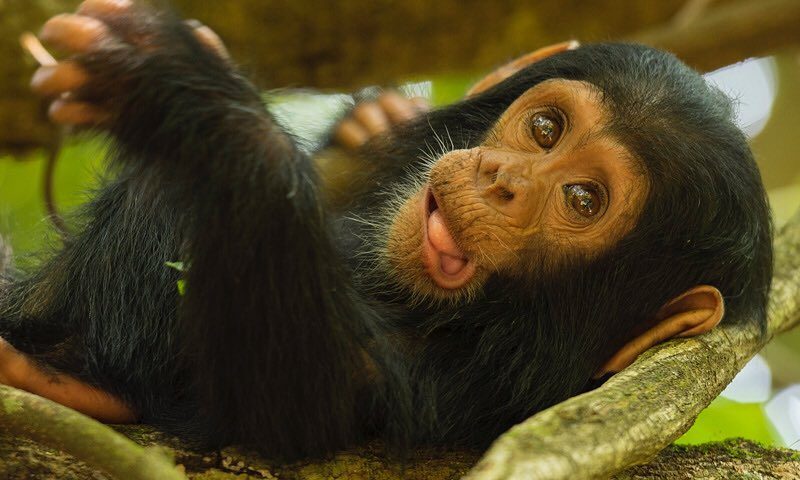
The Park is located in Southern Uganda, and covers 766 km2. It is an important eco-tourism destination, popular for its well-studied habituated population of chimpanzees and 13 other species of primates, as well as several species of Central African monkeys including the Uganda Mangabey, the Red Colobus and the L’Hoest’s Monkey.

Other primates that are found in the park include the black colobus and the blue monkey. Terrestrial mammals that can be found within Kibale include red and three species of duiker e.g blue duikers and two species of otter, bushpigs, warthogs, leopards and buffalos. However the elephants travel between the park and Queen Elizabeth National Park.

Also available are 325 sited species of birds, including the olive long-tailed cuckoo, Western Green tinker bird, two species of pittas (African and Green-breasted) and the African Grey Parrot. Meanwhile the ground thrush (Turdus kibalensis) is endemic to the Park.

Lake Mburo National Park

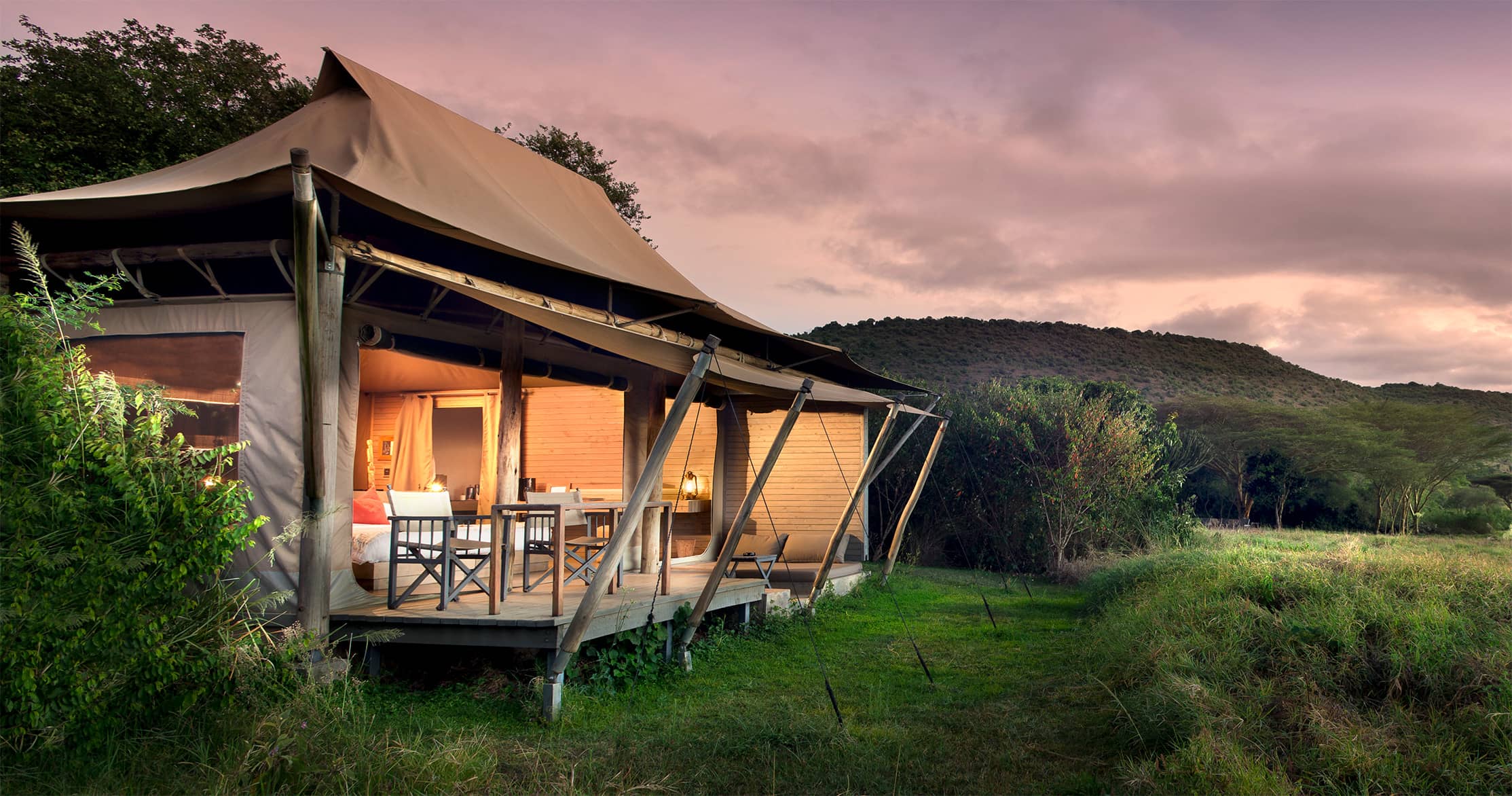
It is located in Western Uganda. The park has a variety of animals such as zebras, impala, buffaloes, and over 300 bird species. It has camp grounds and permanent tent facilities for visitors.

Mount Elgon National Park

The park is located 140 km North East of Lake Victoria and covers an area of 1110 km² in Uganda. Mount Elgon is home to at least 144 bird species e.g the Jackson’s Francolin, Eastern Bronze-naped Pigeon , Hartlaub’s Turaco, Tacazze Sunbird and the endangered Lammergeier. Elephants and buffalo can be found on the lower slopes. The park is also home to a variety of small antelope and duiker, as well as forest monkeys e.g. the Black-and-white Colobus and Blue Monkey. The Red-Tailed monkey have been reported after being thought to be locally extinct.

Also, Maathai’s Longleg, an endangered dragonfly was discovered here in 2005 and named after Nobel Prize winner Wangari Mathaai. Half of Uganda’s butterfly species have been reported in Mt. Elgon.

The park has a variety of scenery; this includes cliffs, caves, waterfalls, gorges, mesas, calderas, hot springs, and the mountain peaks. The most popular areas are the;- Kitum cave and vast caves where night visitors such as elephants and buffaloes come to lick the natural salt found on the cave walls.

At the Endebess Bluff there is the panoramic view of the areas’ escarpments, gorges, mesas, and rivers.

The highest peak of Mt. Elgon is about 13,852 ft, and can easily be reached by hikers in about two hours from the road’s end. Other activities enjoyed by tourists include:-
  • Vehicle circuits leading to animal viewing areas, at the caves and Koitoboss peak.
  • Self-guided walks
  • Hiking to Endebess Bluff and Koitoboss Peak
  • Primate and bird watching
  • Cave explorations
  • Camping photography

Semuliki National Park

The park is located in western Uganda, and it is one of the country’s newest national parks. It harbours East Africa’s only lowland tropical rainforest.

The park has more than 400 bird species, e.g the lyre-tailed honey guide. 216 of these species (66% of the country’s total bird species) are true forest birds. For example, the rare Forest Ground Thrush and Sassi’s Olive Greenbul. Also, 9 species of hornbills have been recorded in the park.

The park has over 60 mammal species, including forest buffalos, leopards, hippos, Mona Monkeys, water chevrotains, bush babies, civets, elephants, and the Pygmy Flying Squirrel (Idiuus zenkeri). Also, 9 species of Duikers are found in the park, including the Bay Duiker in addition to eight primate species and almost 300 butterfly species.

Mt Rwenzori National Park

The Park is a UNESCO World Heritage Site, and is located in the Rwenzori Mountains. Almost 1,000 km2 in size, the park has Africa’s third highest mountain peak and many waterfalls, lakes, and glaciers.

It is known for its plant diversity and many species that are endemic to the Albertine Rift system, It has 89 species of birds, 15 species of butterfly, and four primate species. The park’s wildlife varies with elevation, and includes the forest elephant, chimpanzee, hyrax, black-and-white colobus, L’Hoest’s monkeys, duiker, and Ruwenzori Turaco.

Kidepo Valley National Park

The Park is 1,442 km2 and is located in northeast Uganda, Kidepo is a rugged savannah, of Mount Morungole and transected by the Kidepo and Narus rivers.

At Narus Valley;- Primary grasses are the shorter red oat grass and taller bunchy Guinea grass and fine thatching grass. Common trees in the drier areas are red thorn acacias, desert dates, and to a lesser extent drumstick trees. At Kidepo Valley;- Streams are colonised by few palms. Higher areas have whistling thorn acacias bush.

Perennial water makes River Kidepo an oasis in the semi-desert, which hosts over 86 mammal species including lion, cheetah, leopard, bat-eared fox, giraffe as well as almost 500 bird species. Game viewing is possible by vehicle.

Queen Elizabeth National Park (QENP)

The park is located in western Uganda, It occupies an estimated 1,978 km2, of which about 17% lies in Kasese District, 50% in Bushenyi District and an estimated 33% lies in Rukungiri District. The area of the park extends from Lake George to Lake Edward connected by Kazinga Channel.

QENP is known for its wildlife, including hippopotami, elephants, leopards, lions and chimpanzees; it is home to 95 species of mammal and over 500 species of birds. Its also famous for tree-climbing lions. The park is also famous for its volcanic features, comprising volcanic cones and deep craters, many with crater lakes such as Lake Katwe, from which salt is extracted.

Murchison Falls National Park

The park lies in northwestern Uganda. It is Uganda’s largest national park and measures approximately 3,840 km2. Together with the adjacent Bugungu Wildlife Reserve and the Karuma Wildlife Reserve, the park is part of the 5,308 km2 Murchison Falls Conservation Area (MFCA).

The park is the location of the famous Murchison Falls, where the waters of the majestic Nile River squeeze through a narrow gorge, only 7 metres (23 ft) wide, before plunging 141 ft below. A number of animals including Buffalos, elephants, lions, leopards can be found.